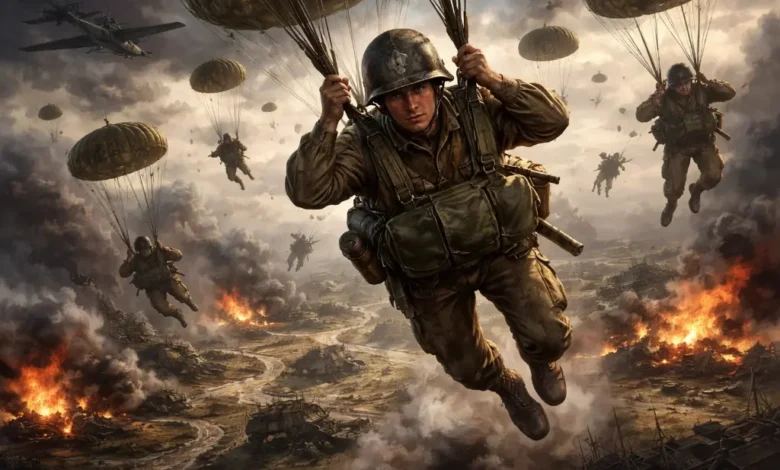
US 101st Airborne Division – Screaming Eagles of American Warfare
The 101st Airborne Division, famously known as the “Screaming Eagles,” is an elite American military unit recognized for its airborne and air assault capabilities. Established in 1942, the division played a pivotal role in World War II and continues to be a rapid deployment force in modern conflicts.
Origins and Formation
Activated during World War II, the 101st Airborne was designed to execute parachute and glider-borne operations behind enemy lines. Its primary objectives included:
- Seizing key strategic positions ahead of conventional forces
- Disrupting enemy supply and communication lines
- Supporting allied offensives with highly mobile forces
World War II Campaigns
The division quickly gained fame for its effectiveness in airborne operations:
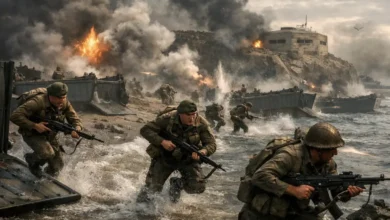
- D-Day – Normandy Invasion (1944): Paratroopers secured key roads and bridges, facilitating the Allied beach landings.
- Operation Market Garden (1944): Attempted to secure bridges in the Netherlands, demonstrating the challenges of large-scale airborne assaults.
- Battle of Bastogne – Ardennes (1944): Defended Bastogne during the Battle of the Bulge, showcasing resilience and tactical ingenuity.
Training and Capabilities
The 101st Airborne emphasizes rigorous physical and tactical training, including:
- Parachute and air assault insertion techniques
- Infantry combat and small-unit tactics
- Rapid deployment and expeditionary readiness
- Integration with joint operations and special forces support
Modern Operations
Today, the 101st Airborne remains a key rapid deployment force:
- Operations in Iraq and Afghanistan
- Humanitarian and peacekeeping missions worldwide
- Collaboration with allied forces for multinational interventions
Legacy and Influence
The division’s airborne doctrine and combat legacy influenced global elite forces, including US Navy SEALs and British SAS. The 101st Airborne exemplifies the combination of strategic mobility, discipline, and operational effectiveness in modern warfare.