Teutonic Knights – Crusading Monastic Order
Era: 12th–16th century | Region: Holy Roman Empire & Baltic region
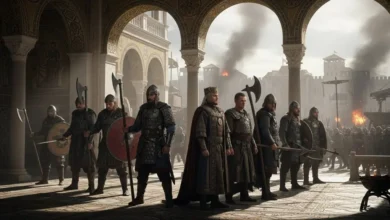
The Teutonic Knights were a German medieval monastic military order, combining religious devotion with formidable martial skill. Initially founded to aid Christians on pilgrimages in the Holy Land, they later became a dominant military and political force in the Baltic region.
Formation and Structure
- Monastic hierarchy: Knights were bound by religious vows of poverty, chastity, and obedience.
- Military organization: Structured into commanderies and regional units capable of rapid deployment.
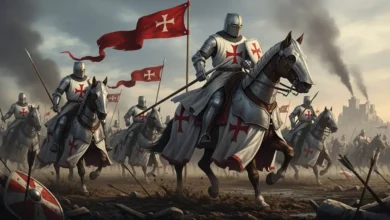
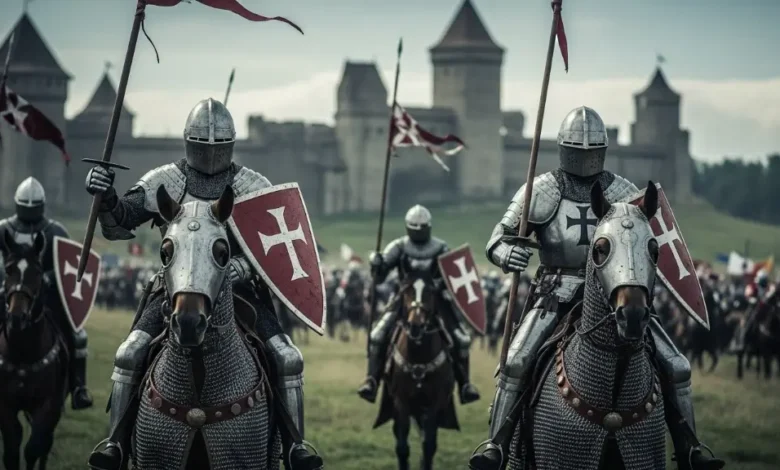
- Elite cavalry: Heavy armored knights formed the backbone of their offensive campaigns.
Weapons and Equipment
- Long swords and lances for mounted combat
- Full plate armor for knights, chainmail for supporting troops
- Fortified castles and siege machinery
Notable Campaigns
- Baltic Crusades: Conquest and Christianization of Prussia, Livonia, and parts of Lithuania.
- Battle of Grunwald (1410): Major defeat against Polish-Lithuanian forces, marking the decline of their dominance.
- Siege Warfare: Skilled in besieging castles and defending fortifications throughout the Baltic region.
Legacy
The Teutonic Knights left a lasting imprint on medieval European military history. Their combination of religious ideology, disciplined military structure, and fortification expertise influenced the development of other military orders and professional armies.