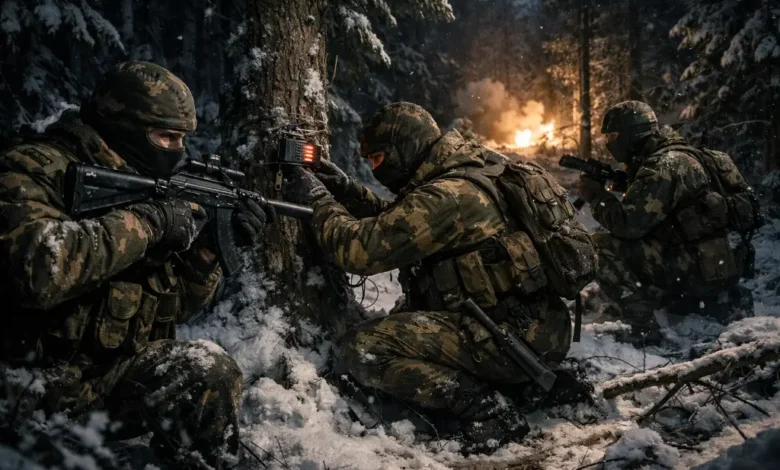
Soviet Spetsnaz – Elite Cold War Special Operations Forces
Spetsnaz refers to the Soviet Union’s elite special operations units during the Cold War. Designed for both conventional and unconventional warfare, these forces combined intelligence-gathering, sabotage, and direct action missions, often deep behind enemy lines.
Origins and Strategic Role
Spetsnaz units were established in the 1950s, primarily under the GRU (Main Intelligence Directorate). Their purpose was to conduct:
- Strategic reconnaissance in NATO territories
- Sabotage of critical infrastructure
- Assassination and high-value target neutralization
- Support for conventional Soviet offensives with disruption tactics
These missions required extreme physical endurance, advanced training, and seamless coordination with intelligence services.
Training and Selection
Spetsnaz training was among the harshest in the world. Candidates underwent:
- Extended physical conditioning in diverse climates
- Weapons and explosives handling
- Survival and escape-and-evasion techniques
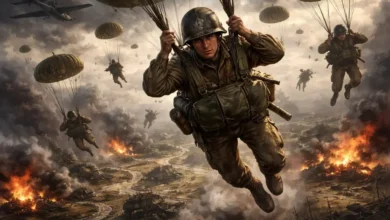
- Close-quarters combat, martial arts, and parachute operations
- Intelligence and reconnaissance tradecraft
The combination of endurance, tactical skill, and intelligence made them a formidable threat to NATO forces.
Operational Examples
- Afghanistan (1979–1989): Spetsnaz conducted reconnaissance, ambushes, and sabotage operations against Mujahideen forces.
- Berlin and Western Europe: Units trained for potential infiltration behind NATO lines during a Cold War escalation.
- Counterterrorism: Early experimental operations influenced later Western special forces doctrine.
Equipment and Tactical Doctrine
Spetsnaz operated with specialized and often improvised equipment, including:
- AK-series assault rifles, silenced variants, and sniper rifles
- Explosives and demolition kits for sabotage missions
- Light vehicles, boats, and parachute insertion gear
- Advanced communications for covert coordination
Their tactical doctrine emphasized unpredictability, small-unit autonomy, and high-risk strategic strikes to destabilize enemy operations.
Strengths and Limitations
Strengths:
- Exceptional infiltration and sabotage capabilities
- Integration of intelligence with tactical action
- Psychological impact on adversaries
Limitations:
- Small unit size limited sustained conventional engagement
- High operational risk in deep-penetration missions
Legacy and Influence
Spetsnaz set the foundation for modern special operations in Russia and influenced Western forces such as British SAS, US Navy SEALs, and GROM (Poland). Their blend of intelligence-driven, high-risk missions demonstrates the evolution of elite military units from conventional armies to versatile, strategic forces capable of shaping international conflicts.