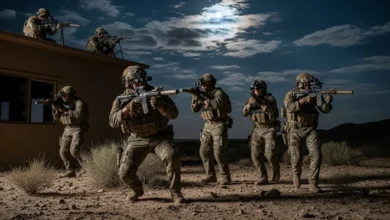
Following the success of Operation Entebbe in 1976, the Israeli Special Forces conducted follow-up missions collectively referred to as Operation Thunderbolt II. These operations focused on hostage rescue and counterterrorism against international threats.
Mission Background
After Entebbe, terrorist networks continued to threaten Israeli and international targets. The follow-up operations aimed to neutralize key figures and dismantle networks.
Planning and Strategy
- Targeted intelligence gathering across multiple countries
- Covert insertion of special forces teams
- Rapid action to prevent hostage situations or terrorist attacks
Execution
Operations were carried out with precision and coordination, often in hostile territories. Key features included:
- Simultaneous raids on multiple locations
- Use of advanced surveillance and intelligence
- Minimal exposure to civilian populations
Outcome and Legacy
These follow-up missions reinforced the capability of Israeli Special Forces to respond rapidly to threats globally. Lessons learned were integrated into training and operational doctrine.