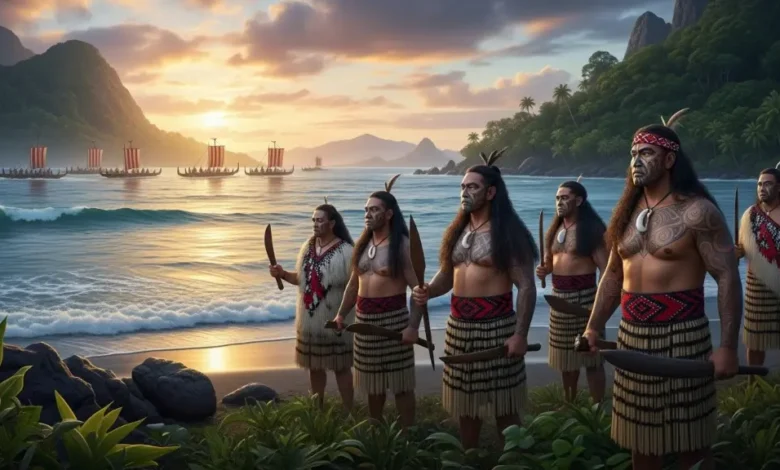
Maori Warriors (with Pā Fortifications)
Indigenous Elite Fighters of New Zealand and Masters of Defensive Warfare
Origins of the Maori Warriors
The Maori Warriors are the indigenous fighters of New Zealand, renowned for their
courage, strategic acumen, and mastery of the environment. From the 14th century onward,
they defended tribal lands against rival iwi (tribes) and European settlers.
A hallmark of Maori warfare was the Pā fortification – strategically designed hill forts
that provided both defensive and offensive advantages.
Training and Martial Skills
Maori boys began martial training early, emphasizing:
- Close combat with traditional weapons (taiaha, mere)
- Advanced hand-to-hand combat techniques
- Leadership and tactical planning within the iwi
- Stealth and ambush strategies
Their training combined physical prowess, discipline, and cultural warrior codes.
Weapons, Armor, and Fortifications
Maori warriors used a variety of tools and defensive structures:
- Taiaha: wooden or reinforced spear-staff for melee combat
- Mere: short club made from wood, stone, or bone
- Pā fortifications with trenches, palisades, and strategically angled defenses
- Clothing and light armor for mobility
Notable Campaigns and Engagements
Maori warriors engaged in intertribal wars and European confrontations, including:
- Defensive campaigns using Pā against rival iwi
- Battle tactics against British colonial forces in the 19th century
- Skirmishes emphasizing ambush, terrain mastery, and psychological warfare
Strengths and Weaknesses
Strengths
- Expertise in terrain-based warfare
- Highly mobile and disciplined combat units
- Fortification mastery and defensive innovation
Weaknesses
- Limited access to firearms and artillery initially
- Dependent on tribal cohesion and leadership
- Smaller numbers compared to European military forces
Legacy of the Maori Warriors
The Maori warriors remain an enduring symbol of indigenous military skill, fortification design,
and elite cultural warfare. Their strategies influenced colonial military studies and are celebrated
in New Zealand cultural heritage.
See also: Korean Hwarang for comparison of elite youth warrior training and codes.