KSK (Germany) – Kommando Spezialkräfte
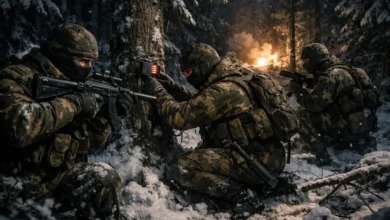
The Kommando Spezialkräfte (KSK) is Germany’s elite special operations force, created to conduct high-risk missions beyond the capabilities of conventional units. Operating under the German Army, the KSK represents the country’s response to the demands of modern asymmetric warfare, counterterrorism, and strategic reconnaissance.
Origins and Strategic Context
The KSK was officially established in 1996 following operational failures exposed during international crises, particularly the inability of Germany to independently evacuate its citizens during the Rwandan genocide. These events highlighted the necessity for a dedicated, rapidly deployable special operations force comparable to units such as the British SAS and Israeli Sayeret Matkal.
Germany’s post–Cold War security environment demanded a unit capable of operating discreetly across the full spectrum of conflict, from hostage rescue to deep reconnaissance and direct action.
Mission Profile and Operational Roles
The KSK specializes in missions requiring political sensitivity, operational secrecy, and extreme precision. Its mandate extends beyond traditional battlefield engagements, focusing on strategic effects rather than territorial control.
- Counterterrorism and hostage rescue
- Special reconnaissance and intelligence gathering
- Direct action and precision strikes
- Military assistance and joint operations with allied forces
- Personnel recovery and evacuation missions
Selection and Training Doctrine
KSK selection is regarded as one of the most demanding in Europe. Candidates undergo a multi-phase process designed to test physical endurance, psychological resilience, and independent decision-making under extreme stress.
Training emphasizes small-unit autonomy, survival skills, and adaptability across diverse environments including mountains, deserts, jungles, and urban terrain. This approach aligns the KSK doctrinally with units such as the KSK’s NATO counterparts, particularly the US Navy SEALs and GROM (Poland).
Operational History
Although many KSK operations remain classified, the unit has been confirmed to operate extensively in Afghanistan, the Balkans, and other NATO-led theaters. Its role often involves long-range reconnaissance and coordination of air or allied ground assets rather than large-scale kinetic engagements.
This discreet operational footprint reflects Germany’s strategic culture, prioritizing precision, legality, and coalition interoperability.
Weapons, Equipment, and Capabilities
The KSK employs a flexible equipment doctrine, selecting weapons and gear based on mission requirements rather than standard issue.
- Assault rifles and precision weapons optimized for modular use
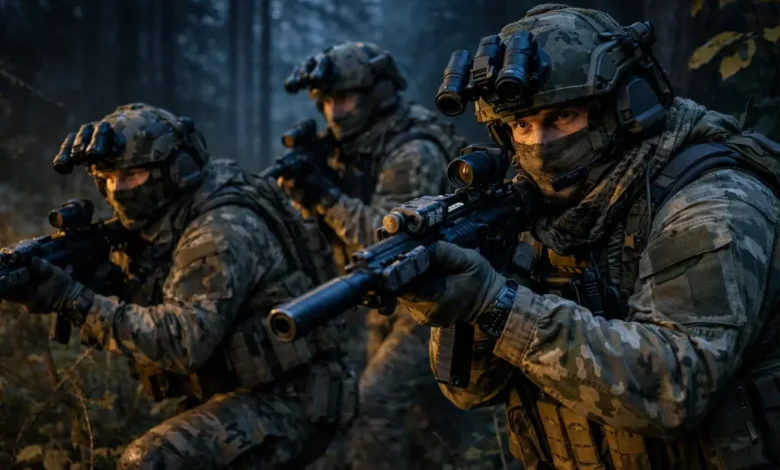
- Advanced night vision and ISR systems
- Specialized mobility platforms for covert insertion
- Encrypted communications for joint NATO operations
Strengths and Limitations
Strengths of the KSK include deep integration with NATO special operations frameworks, highly autonomous operators, and expertise in politically sensitive missions.
Limitations stem primarily from Germany’s restrictive rules of engagement and parliamentary oversight, which can constrain rapid deployment compared to forces such as the British Commandos or Soviet Spetsnaz.
Strategic Legacy
The KSK symbolizes Germany’s transformation from a Cold War defensive power into a modern contributor to global security operations. While smaller and more restrained than some counterparts, its strategic value lies in precision, discretion, and alliance interoperability.
Within the broader evolution of elite military units, the KSK represents the modern European model of special operations forces operating under democratic oversight while maintaining operational effectiveness.