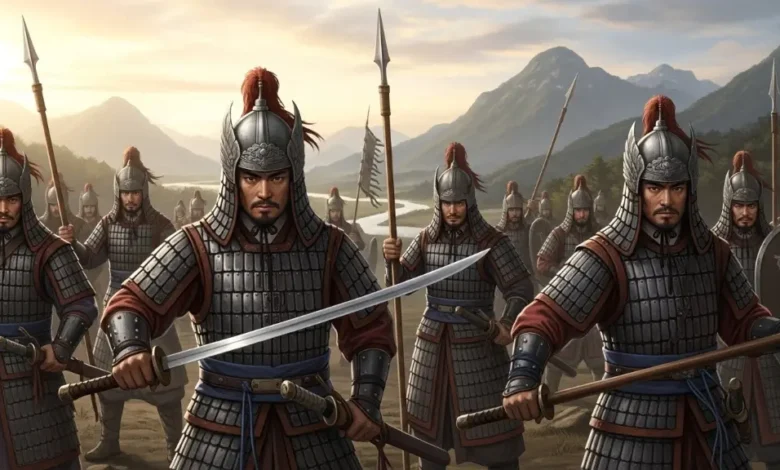
Korean Hwarang
Elite Youth Warrior Corps of Silla Kingdom with a Spiritual Code
Origins of the Hwarang
The Hwarang were an elite group of young male warriors from the Silla Kingdom (57 BCE – 935 CE) in Korea.
They were trained in both martial arts and spiritual discipline, forming a unique blend of combat and moral code.
Training and Martial Skills
Hwarang training encompassed:
- Swordsmanship, archery, and spear combat
- Equestrian skills and battlefield tactics
- Spiritual education, loyalty, and ethical principles
- Leadership and strategy in small unit operations
The Hwarang adhered to a strict ethical code called Hwarangdo, emphasizing loyalty, courage, and filial piety.
Weapons, Armor, and Tactics
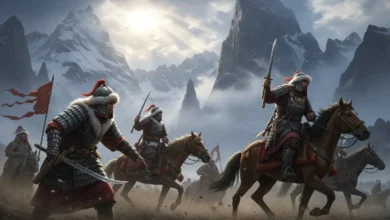
Hwarang warriors were lightly armored for agility:
- Swords (Hwando) and spears for melee combat
- Bows for ranged engagement
- Light armor for mobility and speed
- Emphasis on coordinated small-unit tactics and ambushes
Notable Campaigns
Hwarang were involved in Silla’s unification wars:
- Defense against Goguryeo and Baekje kingdoms
- Participation in the wars of the Three Kingdoms of Korea
- Border skirmishes and protection of royal authority
Strengths and Weaknesses
Strengths
- Highly disciplined and morally guided warriors
- Agile and well-coordinated in battle
- Strong loyalty to kingdom and leaders
Weaknesses
- Lightly armored compared to heavy infantry
- Dependent on strict adherence to code
- Limited numbers in large-scale battles
Legacy of the Hwarang
The Hwarang system influenced later Korean military traditions, promoting a culture of elite, ethical warriors.
Their emphasis on loyalty, training, and spiritual balance became a hallmark of Korean martial heritage.
See also: Maori Warriors for comparison of elite youth warrior training and fortification tactics.