The concept of elite military units predates modern warfare by thousands of years. Long before Special Forces became institutionalized, ancient civilizations developed specialized formations capable of performing missions beyond the reach of conventional armies.
Why Ancient Armies Created Elite Units
Ancient warfare demanded flexibility, intelligence, and shock power. Large formations were effective on open battlefields, but commanders quickly realized the need for smaller, highly trained units capable of reconnaissance, rapid strikes, and decisive actions.
These early elite forces shared defining traits: superior training, strict discipline, specialized equipment, and direct loyalty to political or military leadership.
Roman Elite Units and Battlefield Specialization
The Roman military system excelled at creating specialized detachments within its legions. While the legions formed the backbone of Roman power, elite units handled scouting, engineering, and rapid-response missions.
Roman reconnaissance units gathered intelligence behind enemy lines, while engineers constructed fortifications, bridges, and siege equipment — often under direct threat. This functional specialization mirrors the modular structure of modern Special Forces.
Persian Immortals: The First Standing Elite Guard
The Persian Immortals of the Achaemenid Empire represented one of the earliest examples of a permanent elite force. Maintained at a constant strength of 10,000 soldiers, they combined heavy infantry capabilities with elite training and royal loyalty.
Their psychological impact was as important as their combat role, projecting an image of invincibility that reinforced imperial authority across vast territories.
Macedonian Companion Cavalry and Shock Warfare
Under Philip II and Alexander the Great, the Macedonian Companion Cavalry (Hetairoi) redefined battlefield shock tactics. Operating as an elite strike force, they executed decisive charges aimed at breaking enemy command structures.
Rather than prolonged engagement, their mission was precision: exploit weaknesses, collapse morale, and deliver victory with speed.
Intelligence, Mobility, and Psychological Warfare
Ancient elite units often performed intelligence and psychological functions alongside combat roles. Scouts infiltrated enemy territory, disrupted supply lines, and spread fear long before formal psychological operations existed.
Mobility and surprise were force multipliers, allowing small units to achieve strategic effects disproportionate to their size.
Training and Selection in Ancient Elite Forces
Selection for elite units emphasized physical endurance, combat skill, and loyalty. Training was harsh and continuous, designed to produce warriors capable of operating independently under extreme conditions.
These principles — rigorous selection, constant readiness, and mission-focused doctrine — remain central to modern Special Forces training.
Legacy and Influence on Modern Special Forces
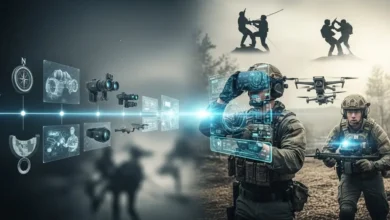
The operational DNA of modern Special Forces can be traced directly to these ancient elite formations. While technology has changed, the strategic logic remains identical: small, elite units performing missions conventional forces cannot.
Understanding these origins provides critical insight into why Special Forces remain indispensable in contemporary warfare.
Related Historical Analysis
This article expands the historical foundation introduced in the main overview of Special Forces evolution.
Back to History of Special Forces |
Explore Modern Special Forces Missions