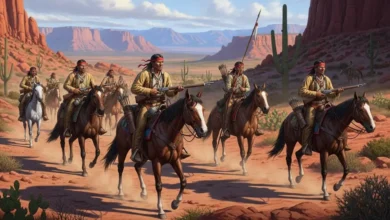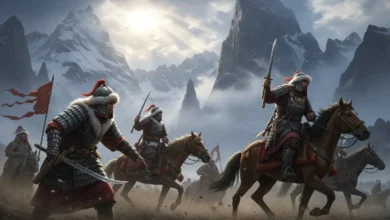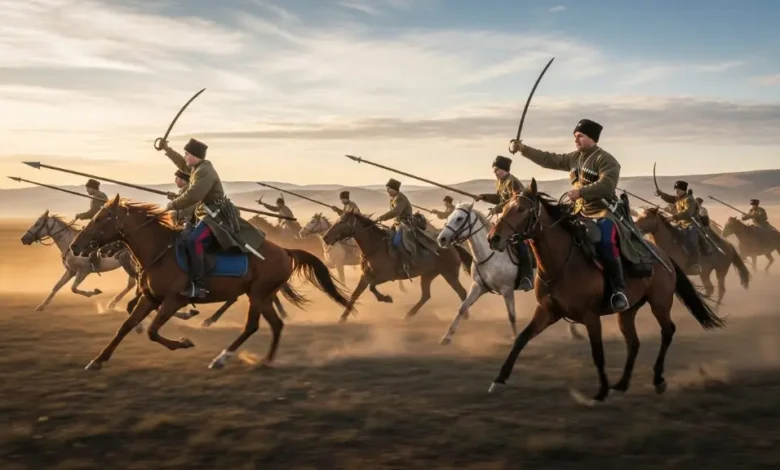
Cossack Cavalry
Free Steppe Riders and Elite Cavalry of the Russian Empire
Origins of the Cossacks
The Cossacks emerged between the 14th and 16th centuries as autonomous warrior communities
on the Eurasian steppes. Renowned for their horsemanship, mobility, and independence, they became
key military units for the Russian Empire while preserving self-governance and traditional codes.
Training and Martial Skills
Cossacks trained from a young age in:
- Mounted combat and horseback archery
- Swordsmanship and sabre techniques
- Skirmish tactics and rapid raiding
- Guerrilla warfare and reconnaissance
Their skills emphasized mobility, adaptability, and psychological warfare, making them elite irregular cavalry.
Weapons, Armor, and Tactics
Cossacks relied on light, versatile equipment:
- Swords (shashka) and sabres
- Spears, lances, and bows for mounted engagements
- Light armor or leather for mobility
- Flexible formations for hit-and-run tactics
Notable Campaigns
Cossacks served in numerous wars and campaigns:
- Defensive and offensive operations against Ottoman incursions
- Participation in the Russian expansion across Siberia
- Counter-insurgency and frontier policing
- Napoleonic Wars and the Patriotic War of 1812
Strengths and Weaknesses
Strengths
- Exceptional cavalry mobility and endurance
- Expertise in raiding and reconnaissance
- Strong esprit de corps and local knowledge
Weaknesses
- Limited heavy armor and siege capability
- Reliant on horses and supply lines
- Independent nature could complicate centralized command
Legacy of the Cossacks
Cossacks left a lasting mark on Russian and Eastern European military history,
serving as elite cavalry and irregular forces renowned for speed, daring, and unconventional tactics.
Their culture influenced cavalry doctrine and frontier warfare.
See also: Tibetan Khampa Warriors for comparison of elite, independent warrior groups in extreme environments.