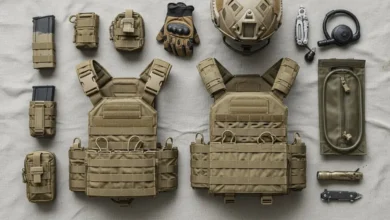
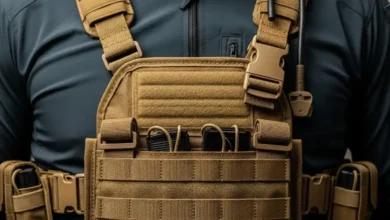
Deciding between a Chest Rig vs Plate Carrier is a fundamental step in building your tactical loadout. Both systems allow you to carry essential tools, but they prioritize different operational goals. One is built for maximum protection, while the other is designed for unmatched mobility.
The right choice depends on your mission, environment, and physical endurance. A plate carrier offers life-saving ballistic defense, but a chest rig provides superior comfort and speed. In this guide, we break down the pros and cons of each to help you determine which one is right for you.
The Advantages of a Plate Carrier
The primary reason to choose a plate carrier is ballistic protection. It is designed to hold hard armor plates that protect your vital organs. For high-threat environments, professional duty, or home defense, this protection is often a non-negotiable requirement.
Modern carriers offer excellent modularity. You can mount heavy ammunition loads, specialized electronics, and large medical kits. However, this comes at the cost of increased weight and heat retention. The thermal load can lead to faster exhaustion during long-duration operations in hot climates.
- Pros: Ballistic defense, highly modular, duty-ready platform.
- Cons: Heavier weight, restricted breathability, higher physical toll.
The Benefits of a Chest Rig
A chest rig is the ultimate choice for those who value speed and agility. Because it lacks armor plates, it is extremely lightweight and offers maximum breathability. It allows your body to vent heat efficiently, making it the best platform for long-range reconnaissance or high-cardio training.
Without the bulk of a plate carrier, you can move more naturally through tight spaces and assume a lower prone position. For many shooters, a lightweight chest rig is the most practical solution for range days, competition, or survival scenarios where avoiding contact through speed is the priority.
- Pros: Maximum mobility, excellent ventilation, lower cost.
- Cons: Zero ballistic protection, limited structural load capacity.
Key Factors: Mobility vs. Protection
When comparing Chest Rig vs Plate Carrier, weight is the deciding factor for many. A loaded plate carrier can exceed 20 lbs, while a loaded chest rig typically stays under 8 lbs. This massive difference impacts your agility and long-term joint health during rigorous activities.
Heat management is equally critical. Plate carriers trap heat against your core, which can be dangerous in desert or summer conditions. A chest rig leaves your back and sides open, allowing for passive cooling. This ensures you remain operational and focused for longer periods without overheating.
Hybrid and Scaleable Setups
Many modern users opt for a modular approach. They use a low-profile “slick” carrier for protection and mount a chest rig on top using SwiftClips. This allow you to scale your loadout—keeping the armor when needed or ditching it to move faster during a hike or scouting mission.
Which One Should You Choose?
Your choice should be based on your most likely threat. If you are preparing for scenarios involving active shooters or professional duty, a plate carrier setup is the safer investment. Protection is something you cannot add once a conflict has started.
If you are focused on training, hiking, or competition, a chest rig is likely the better choice. It helps you master your reloads and gear placement without the physical burden of heavy plates. Always remember the tactical rule: mission dictates gear.
Comparison FAQ
Can I wear a chest rig over a plate carrier?
Yes, this is a very popular modular setup. It allows you to keep your gear on the rig and remove it quickly while still retaining your ballistic armor for safety.
Which is better for home defense?
A plate carrier is generally preferred for home defense because it offers protection against incoming fire. However, a chest rig is excellent for having ready-access to a flashlight and spare magazines in a grab-and-go format.
Do chest rigs carry less gear than carriers?
Not necessarily. While heavy-duty chest rigs can carry a full combat load, plate carriers provide more structural stability for carrying very heavy items like large radios or specialized breaching tools.