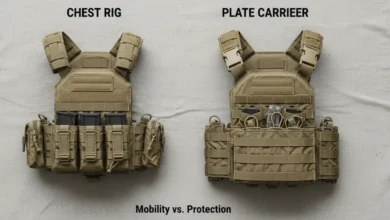
In modern tactical operations, mobility is a form of protection. Building a lightweight tactical setup allows you to move faster, stay in the fight longer, and reduce physical fatigue. By utilizing specialized load-bearing gear, you can carry essential ammunition and tools without the bulk of traditional heavy systems.
The core of this philosophy is the chest rig. Unlike heavy armor carriers, a chest rig focuses on minimalism and accessibility. In this guide, we will explore how to select the right components and organize your gear to create the ultimate high-speed, low-drag platform for any mission.
The Foundation: Selecting Lightweight Load-Bearing Gear
A true lightweight tactical setup starts with the materials. Look for gear constructed from laser-cut laminates or 500D Cordura. These modern fabrics offer the same durability as older 1000D nylon but at a fraction of the weight. This weight reduction is critical for maintaining long-term endurance in the field.
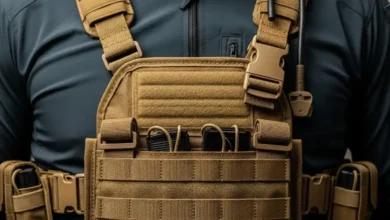
The harness design is equally important. For lightweight setups, a minimalist X-harness or H-harness with thin webbing is preferred. This allows the rig to be worn comfortably under or over other layers, and it integrates perfectly with tactical backpacks without causing painful pressure points on your shoulders.
Pouch Optimization: Less is More
To keep your chest rig setup light, you must be disciplined with pouch selection. Every ounce adds up. Prioritize your primary rifle magazines and place them in low-profile elastic or Kydex-lined pouches. These provide excellent retention while keeping the overall footprint as slim as possible.
- Elastic Pouches: These lay flat when empty, maintaining a low profile.
- Minimalist Admin: Carry only essential navigation and small tools in a micro admin pouch.
- Wing Pouches: Use the “wings” of your rig for radio pouches or extra mags to keep the front of your chest clear.
The Crucial Role of Medical Gear
Even in a lightweight tactical setup, medical gear is mandatory. Use a compact IFAK (Individual First Aid Kit) that can be mounted as a “dangler” below the main rig. This placement keeps the weight centered and ensures your trauma supplies are reachable with either hand during an emergency.
Ergonomics and Weight Distribution
A common mistake is overloading the front of the rig, which can pull your shoulders forward. Proper load-bearing gear should pull the weight tight against your core. Tighten your back straps to ensure the rig doesn’t bounce during a sprint. A stable rig is a silent and efficient rig.
If you find your setup is still too heavy, audit your gear. Do you really need five magazines for a short range session? Scaling your loadout to the specific mission is the hallmark of a professional. A mission-ready setup is one that contains exactly what you need—nothing more, nothing less.
Final Testing and Refinement
Once your lightweight tactical setup is assembled, you must test it under stress. Perform high-intensity drills, including sprints, crawls, and rapid reloads. If a pouch moves or a strap loosens, adjust it immediately. Muscle memory depends on your gear remaining in a consistent position every time you reach for it.
- The Sprint Test: Run 50 meters. The rig should feel like a part of your body, not an attachment.
- The Prone Test: Ensure you can lie flat and still reach your rifle magazines easily.
- The Integration Check: Wear your rig with your battle belt to ensure there is no interference between the two layers.
Lightweight Setup FAQ
Is a lightweight chest rig durable enough for combat?
Yes. Modern laminates used in high-end chest rigs are often stronger than traditional nylon. They are designed to withstand extreme abrasion while keeping the overall weight of your tactical setup to a minimum.
How many magazines should I carry for a lightweight build?
Most minimalist load-bearing setups focus on 3 rifle magazines. This provides a balance of fire capacity and unrestricted mobility, which is the primary goal of a lightweight configuration.
Can I add armor to a lightweight chest rig?
Most chest rigs are not designed to hold armor. However, you can wear a lightweight chest rig over a “slick” plate carrier to add ballistic protection when the mission requires it.