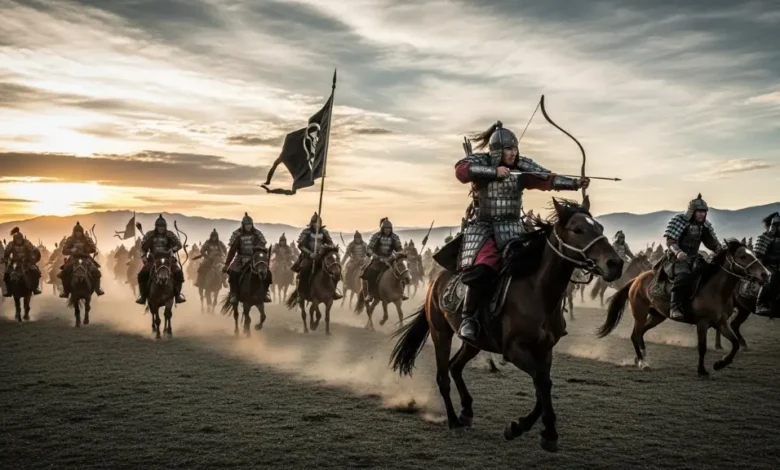
Mongol Tumen
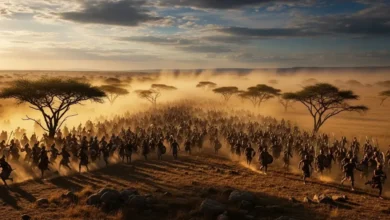
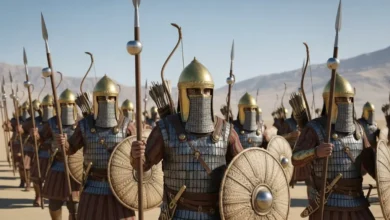
The Mongol Tumen was the core organizational and tactical unit of the Mongol military system, enabling the creation of the largest contiguous land empire in history. Within Ancient Military Units, it stands as the ultimate example of mobility, discipline, and operational warfare on a continental scale.
Origins of the Mongol Military System
The Mongol Tumen emerged in the early 13th century under Genghis Khan, who transformed nomadic tribal warfare into a centralized, merit-based military machine capable of sustained global conquest.
- Strict decimal organization (10, 100, 1,000, 10,000)
- Promotion based on merit rather than lineage
- Absolute obedience enforced through harsh discipline
This structure allowed Mongol forces to scale operations efficiently across vast territories.
Structure of the Tumen
A tumen theoretically consisted of 10,000 mounted warriors, subdivided into smaller units that could operate independently or in coordinated formations.
- Arban (10 soldiers)
- Zuun (100 soldiers)
- Mingghan (1,000 soldiers)
- Tumen (10,000 soldiers)
This modular command system enabled rapid redeployment and battlefield adaptability unmatched by contemporary armies.
Composite Cavalry Warfare
Mongol soldiers were highly trained mounted warriors, capable of fighting effectively while moving at high speed across open terrain.
- Composite bows with exceptional range and penetration
- Light and heavy cavalry roles within the same army
- Multiple horses per warrior for sustained mobility
Unlike the heavy infantry focus of Macedonian Phalanx warfare, Mongol combat emphasized maneuver, encirclement, and exhaustion of the enemy.
Operational Tactics and Psychological Warfare
The Mongol Tumen excelled at large-scale operational tactics that blurred the line between battlefield combat and strategic warfare.
- Feigned retreats to lure enemies into ambushes
- Wide encirclements using dispersed formations
- Psychological terror through reputation and deliberate brutality
Fear often caused cities and armies to surrender before combat even began.
Logistics and Communication
The success of the Mongol Tumen depended on advanced logistics and communication systems that supported deep, sustained campaigns.
- Yam relay system for rapid message delivery
- Self-sufficient troops relying on livestock
- Captured engineers and specialists integrated into the army
This logistical flexibility allowed Mongol armies to operate far beyond traditional supply lines.
Campaigns and Conquests
Mongol tumens conquered and devastated some of the most powerful states of the medieval world.
- Destruction of the Khwarazmian Empire
- Invasions of Eastern Europe
- Conquest of Northern China and Persia
No contemporary military system could match the Mongols’ speed, coordination, and operational depth.
Strengths and Weaknesses
Strengths
- Unmatched strategic mobility
- Superior battlefield communication
- High discipline and cohesion
Weaknesses
- Reduced effectiveness in dense forests or mountains
- Dependence on open terrain
- Limited naval capabilities
Legacy of the Mongol Tumen
The Mongol Tumen redefined warfare at the operational level and influenced later military doctrines across Europe and Asia.
Its impact secures its place in the history of greatest military units and establishes it as one of the most effective military organizations ever created.