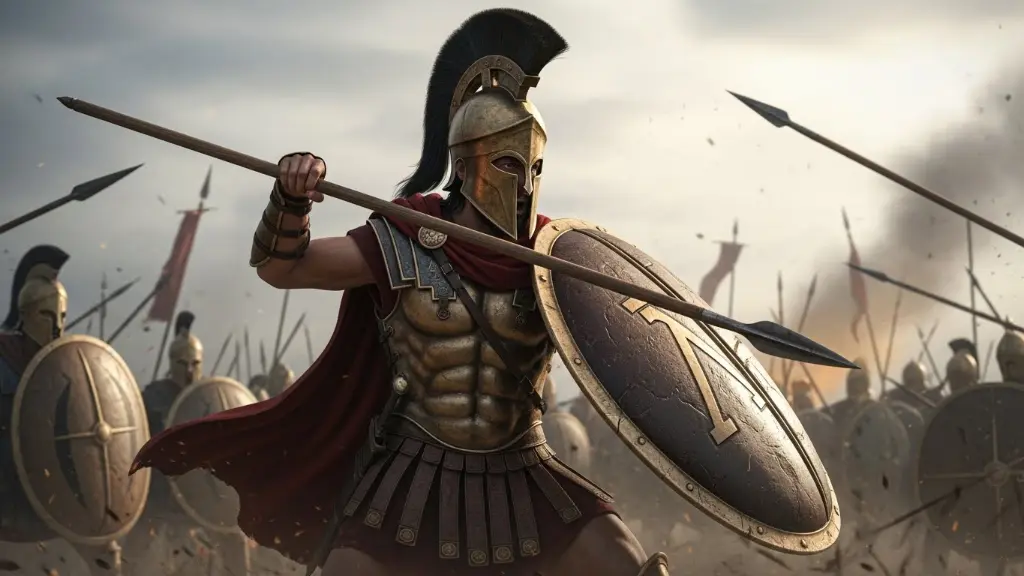
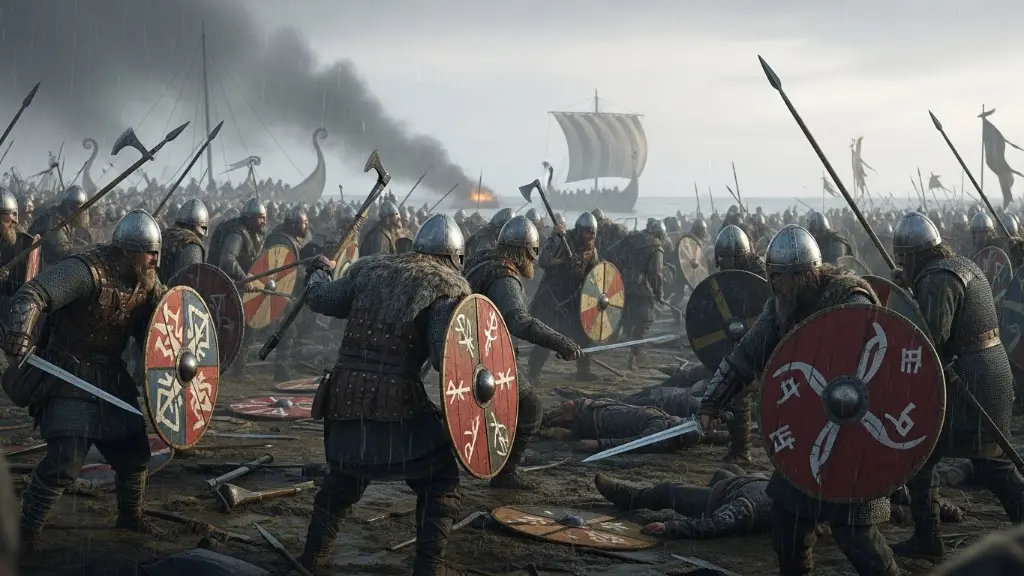
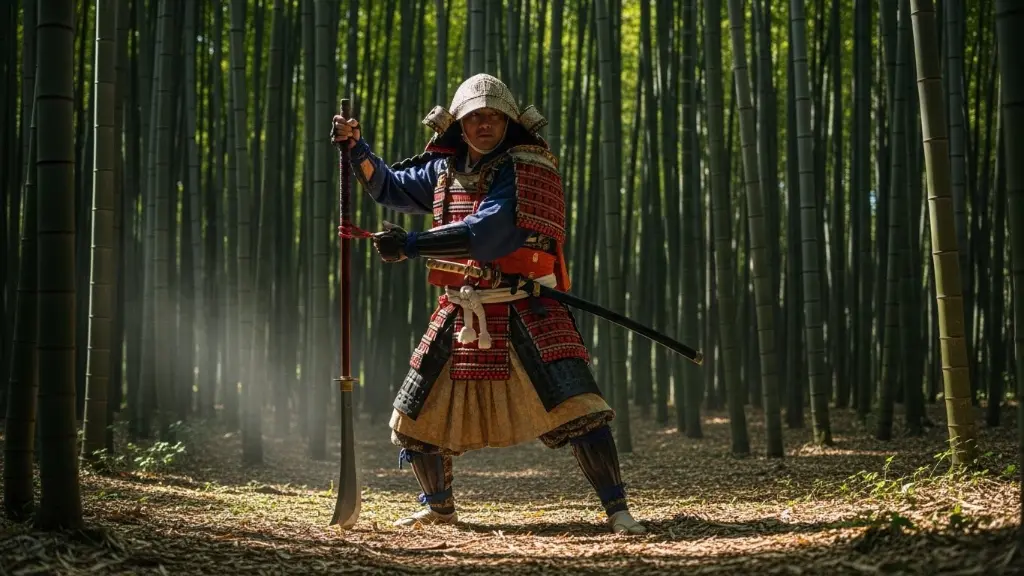
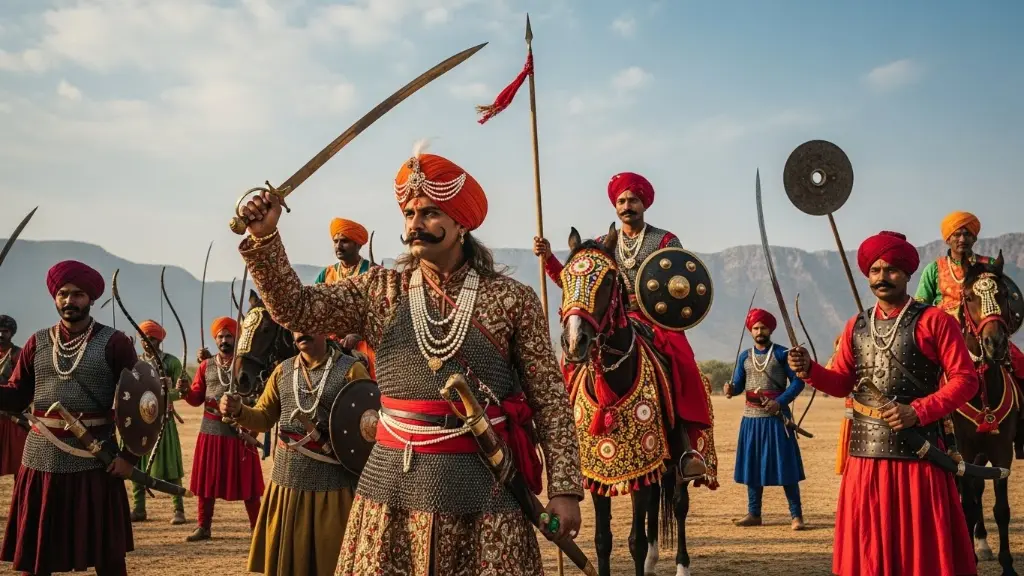
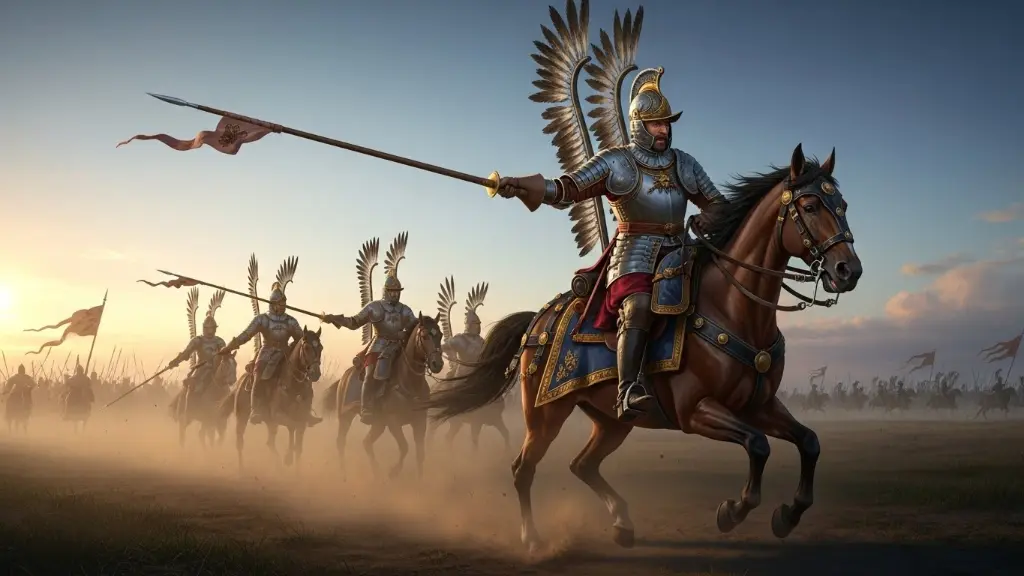
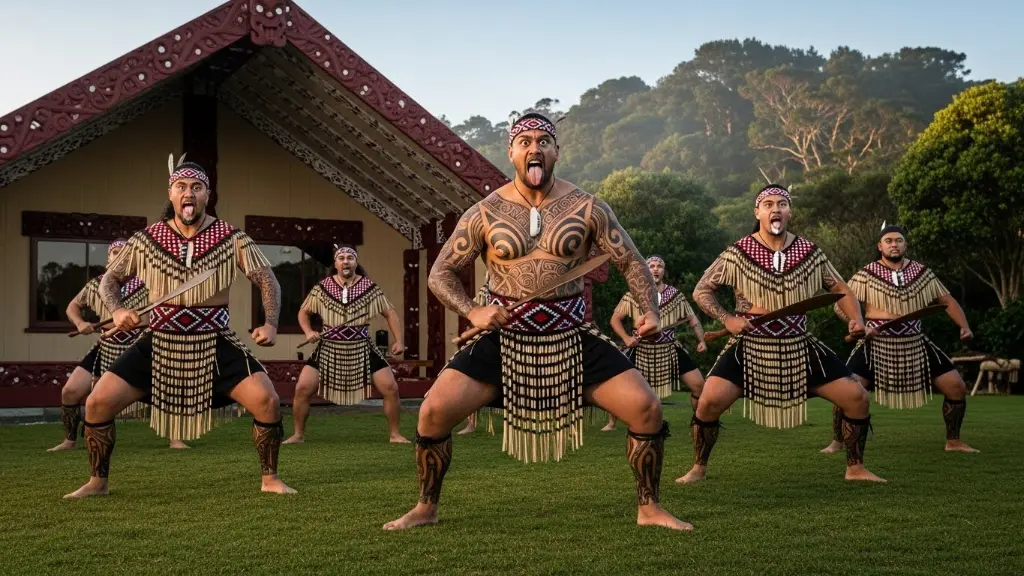
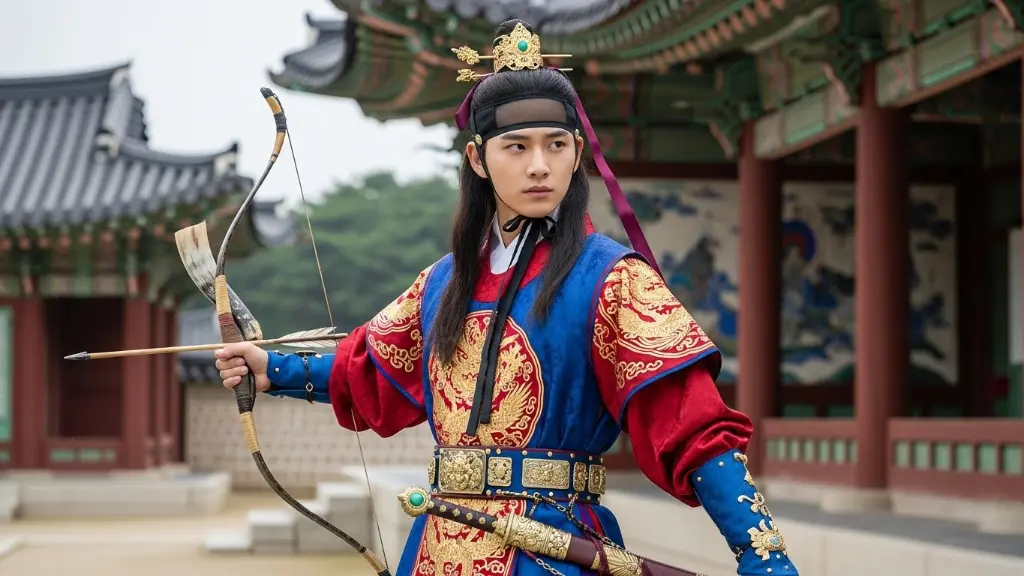
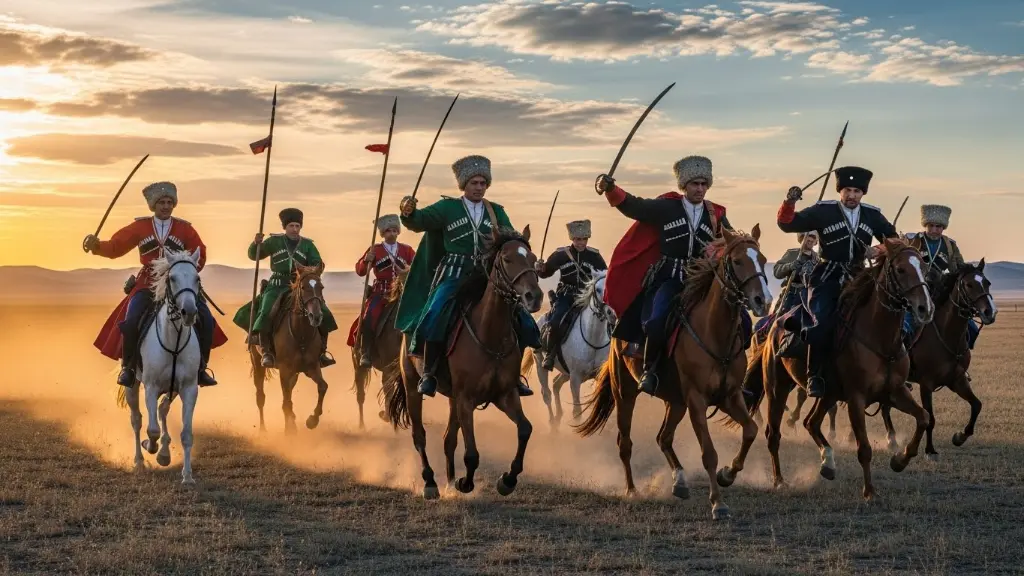
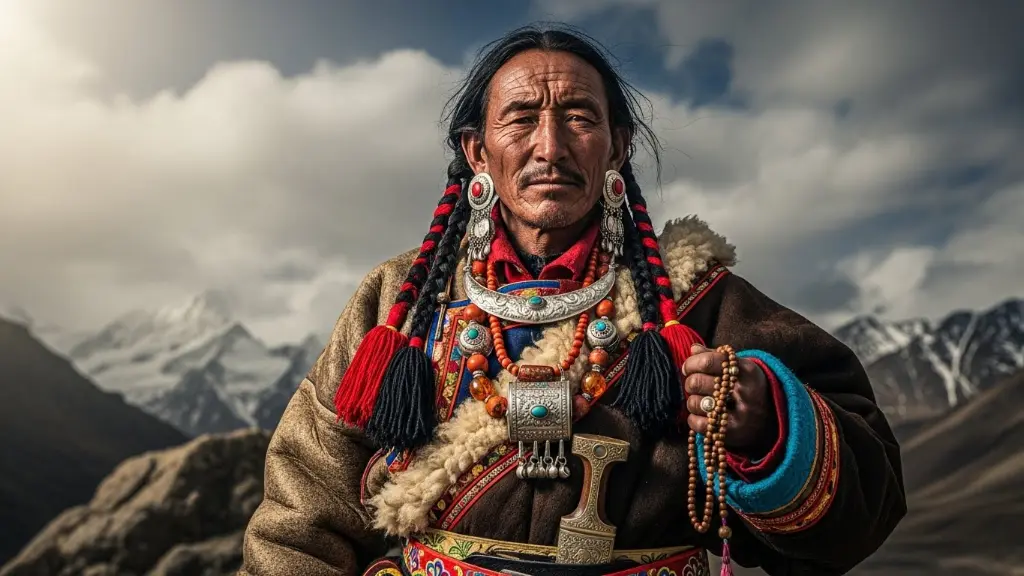
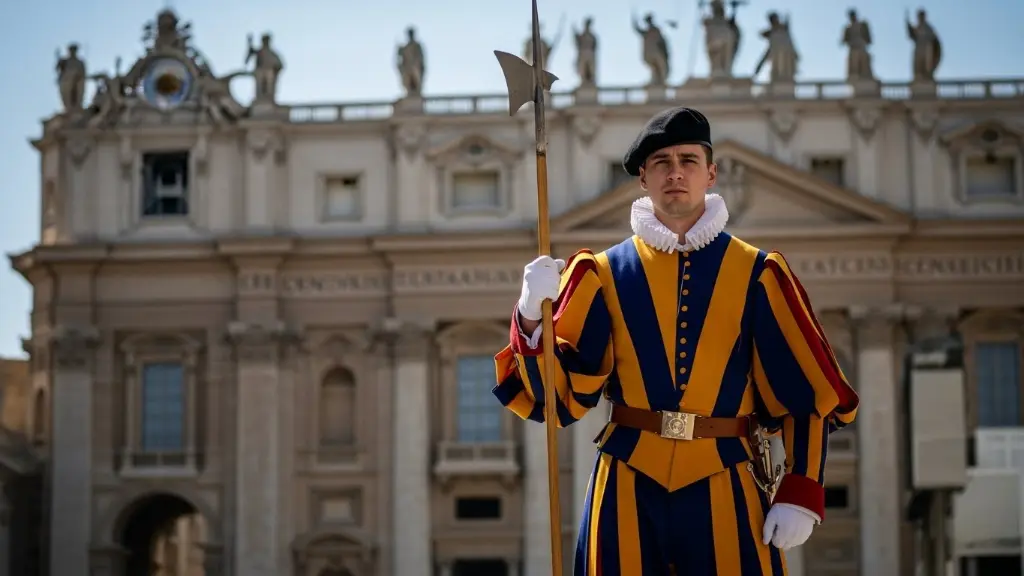
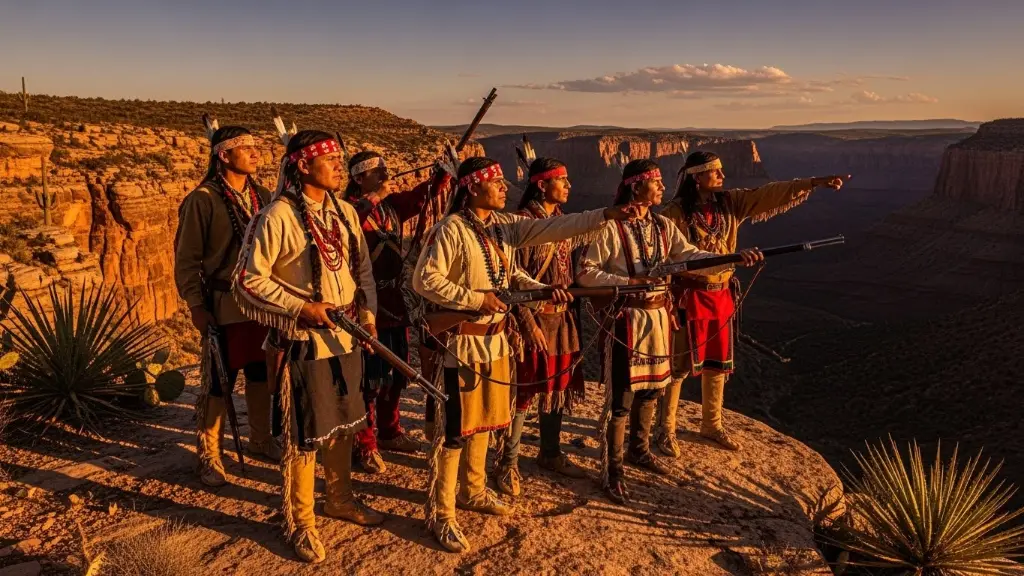
Spartan Hoplites The elite heavy infantry of ancient Sparta, renowned for iron discipline, phalanx warfare, and lifelong military training under the agoge system. Viking Great Heathen Army Not mere raiders, but a coordinated invasion force that conquered large parts of England in the 9th century, combining strategy, mobility, and psychological warfare. Japanese Sōhei (Warrior Monks) Militarized Buddhist monks who controlled fortified temples. Combined religious authority with disciplined armed force, influencing Japanese politics and warfare. Rajput Warriors Hindu warrior clans of India, famed for honor, loyalty, and resistance against invading empires. Their martial ethos shaped Indian warfare for centuries. Polish Winged Hussars Legendary heavy cavalry of the Polish–Lithuanian Commonwealth, famous for shock charges that shattered armies many times larger, including the decisive victory at Vienna in 1683. Maori Warriors Masters of close combat and fortification warfare. Their pā defensive systems repeatedly outperformed European military doctrine. Korean Hwarang Elite youth warrior class of ancient Korea. Combined military training with philosophy, loyalty, and spiritual discipline. Cossack Cavalry Free warrior societies of the Eurasian steppe. Exceptional light cavalry, raiders, and frontier soldiers for Eastern European empires. Tibetan Khampa Warriors Fierce highland fighters known for resilience and resistance warfare. Renowned for endurance and mastery of mountainous terrain. Swiss Guard (Historic Combat Role) Beyond ceremonial duty, the Swiss Guard proved elite battlefield capability during the Sack of Rome (1527), defending the Pope against overwhelming forces. Apache Scouts Indigenous warriors employed by the US Army. Masters of tracking, terrain knowledge, and asymmetric warfare in hostile environments.