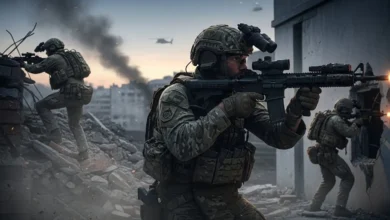
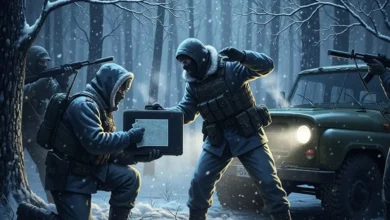
Modern Special Forces owe much of their success to advances in technology and rigorous training doctrine. The combination of cutting-edge equipment, tactical innovation, and elite preparation ensures operational superiority in diverse environments.
Technological Advancements
Special Forces employ technology that extends reach, precision, and situational awareness:
- Night vision and thermal imaging for covert operations
- Satellite communications to coordinate multi-theater missions
- Drones and UAVs for reconnaissance and target acquisition
- Advanced weapons systems tailored for rapid, precise action
Training and Selection
Selection for Special Forces emphasizes physical endurance, mental resilience, and adaptive decision-making. Training programs are intense and specialized:
- Survival, evasion, resistance, and escape (SERE) techniques
- Advanced marksmanship and close-quarters combat
- Specialized language and cultural training
- High-stress scenario simulations and mission rehearsals
Integration of Technology and Doctrine
Operational success depends on integrating technology into tactical doctrine. Real-time intelligence, precision equipment, and adaptability allow small teams to achieve strategic objectives that would otherwise require large conventional forces.
Continuous Innovation
Special Forces constantly evolve. Emerging technologies such as cyber warfare, AI-supported intelligence, and autonomous systems are shaping next-generation operations. Training adapts accordingly, maintaining the principle that elite forces are always a step ahead.
Strategic Implications
The synergy of advanced technology and rigorous training enables Special Forces to:
- Conduct operations in extreme environments
- Execute precise strikes with minimal collateral damage
- Operate independently in politically sensitive scenarios
- Maintain global rapid-response capability
Related Topics
Previous: Counterterrorism and High-Risk Missions |
Back to History of Special Forces |
Next: Special Forces Missions Overview