Counterterrorism Special Forces Missions
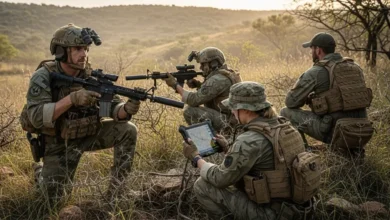
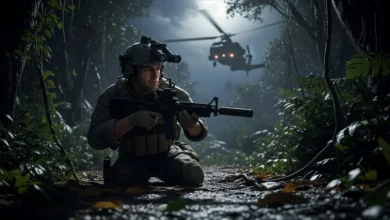
Counterterrorism operations are among the most complex and high-risk missions conducted by Special Forces units. These missions focus on preventing, disrupting, and eliminating terrorist threats through precision, intelligence dominance, and rapid execution.
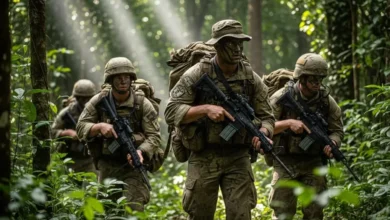
Unlike conventional warfare, counterterrorism missions rely on small elite teams, advanced surveillance, and real-time decision-making in politically sensitive environments.
What Are Counterterrorism Missions?
Counterterrorism missions involve direct action and covert activities designed to:
- Neutralize terrorist leaders and cells
- Rescue hostages held by extremist groups
- Disrupt terrorist logistics, funding, and communications
- Prevent imminent attacks on civilian or military targets
These operations are typically executed in urban environments, foreign territories, or hostile regions with limited margin for error.
Core Objectives of Counterterrorism Operations
Every counterterrorism mission is guided by clearly defined objectives:
- Speed and surprise: overwhelming force in minimal time
- Intelligence superiority: actionable, real-time data
- Precision: minimizing collateral damage
- Strategic impact: dismantling networks, not just individuals
Mission success is often measured not only by tactical outcomes but by long-term disruption of terrorist capabilities.
Special Forces Units Specialized in Counterterrorism
Several elite units worldwide are globally recognized for their counterterrorism expertise:
- US Navy SEALs (DEVGRU) – high-value target raids and maritime counterterrorism
- US Army Delta Force – hostage rescue and global direct action missions
- British SAS – urban counterterrorism and embassy protection
- Sayeret Matkal (Israel) – intelligence-driven counterterror operations
- GIGN (France) – domestic and international hostage rescue
Each unit adapts its doctrine to national strategy, geography, and threat profiles.
Typical Counterterrorism Mission Types
Counterterrorism operations can be divided into several mission categories:
- High-Value Target Raids: capturing or eliminating terrorist leaders
- Hostage Rescue: rapid assault operations in confined spaces
- Direct Action Raids: destroying terrorist infrastructure
- Intelligence Exploitation: capturing data, devices, and documents
- Maritime Counterterrorism: ship and offshore platform assaults
Many missions combine multiple objectives within a single operation window.
Famous Counterterrorism Missions
Several historical operations highlight the effectiveness of Special Forces in counterterrorism:
- Operation Neptune Spear (2011) – elimination of Osama bin Laden
- Operation Entebbe (1976) – Israeli hostage rescue in Uganda
- Iranian Embassy Siege (1980) – SAS counterterrorism response in London
- Operation Barras (2000) – hostage rescue in Sierra Leone
These missions shaped modern counterterrorism doctrine and global best practices.
Training and Selection for Counterterrorism Units
Operators assigned to counterterrorism roles undergo specialized training beyond standard Special Forces selection:
- Close-quarters battle (CQB)
- Advanced marksmanship
- Explosive breaching
- Hostage psychology and negotiation awareness
- Urban surveillance and counter-surveillance
Only a fraction of Special Forces personnel qualify for dedicated counterterrorism teams.
Technology and Equipment in Counterterrorism Missions
Modern counterterrorism relies heavily on advanced technology:
- Night vision and thermal optics
- Encrypted communications
- ISR platforms (drones and satellites)
- Biometric identification systems
- Precision breaching tools
Technology enhances situational awareness but never replaces operator skill and judgment.
Challenges and Ethical Considerations
Counterterrorism operations face unique challenges:
- Legal and political constraints
- Risk of civilian casualties
- Cross-border sovereignty issues
- Intelligence reliability
Strategic leaders must balance operational success with international law and long-term stability.
Counterterrorism Within Special Forces Missions
Counterterrorism represents a core pillar within the broader framework of Special Forces missions. Its effectiveness depends on the integration of:
- Intelligence agencies
- Military command structures
- Advanced training and technology
As terrorist threats evolve, Special Forces continue to adapt, ensuring rapid, precise, and decisive responses worldwide.
← Return to Missions Hub | Next: Hostage Rescue Operations →