
Direct Action vs Covert Operations: How Special Forces Choose the Right Approach
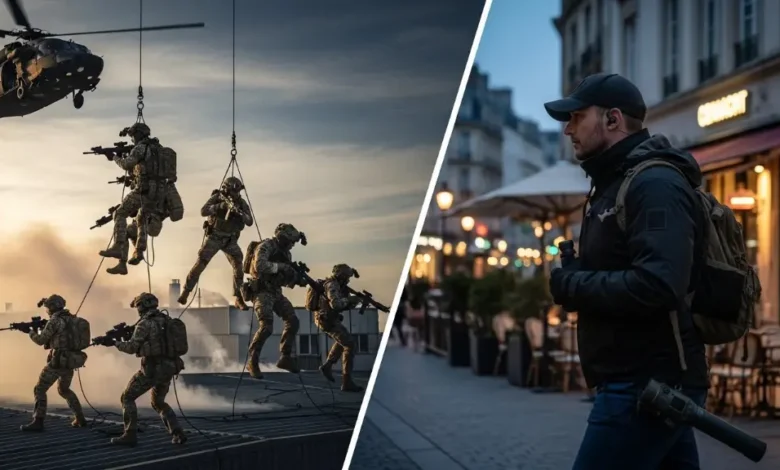
Direct Action and Covert Operations represent two fundamentally different approaches used by Special Forces units. Choosing the correct method can determine whether a mission succeeds quietly—or escalates into a broader conflict.
1. What Is Direct Action in Special Forces Operations
Direct Action (DA) refers to short-duration, high-intensity missions designed to seize, destroy, or neutralize targets.
Typical Direct Action Objectives
- High-value target elimination or capture
- Raids on enemy facilities
- Time-sensitive strikes
- Destruction of critical infrastructure
Operation Neptune Spear is a classic example of a Direct Action mission.
2. What Are Covert Operations
Covert operations are designed to influence events without revealing the sponsor’s involvement. Unlike Direct Action, success is defined by plausible deniability.
Characteristics of Covert Operations
- Minimal or no visible military presence
- Extended operational timelines
- Use of intelligence assets and proxies
- Focus on influence rather than force
Covert operations are often linked to strategic intelligence objectives.
3. Key Differences Between Direct Action and Covert Operations
| Factor | Direct Action | Covert Operations |
|---|---|---|
| Visibility | High | Low or none |
| Duration | Short | Long-term |
| Political Risk | High | Moderate to hidden |
| Force Used | Overwhelming | Minimal |
4. Factors That Determine the Chosen Approach
Mission planners evaluate multiple variables before selecting Direct Action or covert methods.
- Strategic importance of the target
- Risk of political escalation
- Host nation sensitivities
- Time constraints
5. Hybrid Operations: When Both Approaches Merge
Modern Special Forces missions often combine covert preparation with overt execution.
Operation Gothic Serpent illustrates how intelligence and covert preparation can lead into direct combat.
6. Units Specialized in Each Approach
- Direct Action: Navy SEALs, Delta Force, GROM
- Covert Operations: SAS, CIA SAD, Sayeret Matkal
Many elite units train extensively in both mission types.
7. Why Strategic Choice Matters
Selecting the wrong operational approach can lead to mission failure, political fallout, or unintended escalation.
Elite Special Forces succeed because they align tactics with strategic objectives.