VYMPEL
RUSSIAN FOREIGN INTELLIGENCE SERVICE | DEEP COVERT OPERATIONS
“Лишь бы Родина жила” (If only the Motherland lives)
Unit Overview
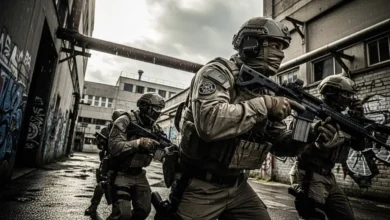
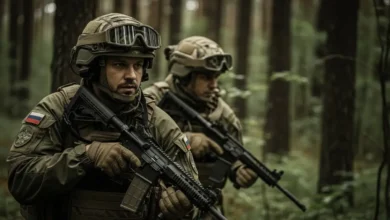
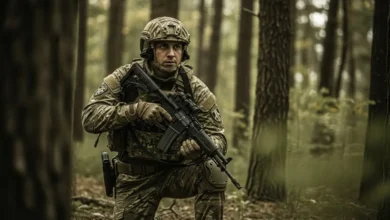
Vympel (Вымпел, meaning “Pennant”) is a highly secretive Russian special forces unit operating under the Foreign Intelligence Service (SVR), originally created within the KGB’s First Chief Directorate for foreign covert operations.
Unlike Alpha Group which focuses on domestic counter-terrorism, Vympel specializes in deep-cover operations abroad, including sabotage, assassination, intelligence gathering, and protecting Russian interests in foreign countries.
Covert Equipment
- PSS Silent Pistol Integrally Suppressed
- NRS-2 Scout Knife Pistol
- Non-Traceable Weapons Covert Arsenal
- Advanced Surveillance Gear Intelligence Collection
Known/Suspected Operations
Covert operations in Western Europe and Third World countries, including support for communist movements and protection of Soviet embassies.
Counter-terrorism operations in Chechnya and protection of nuclear facilities during Russia’s turbulent transition period.
Suspected involvement in various international incidents, though specific operations remain highly classified.
CLASSIFIED: Training & Capabilities
Vympel operators undergo the longest and most comprehensive training of any Russian special forces unit – typically 5+ years. Training includes deep cover operations, multiple foreign languages (to native fluency), foreign customs and culture, intelligence tradecraft, and advanced combat skills.
Operators are trained to operate completely independently in hostile foreign environments for extended periods. Capabilities include creating false identities, establishing safe houses, running agent networks, and conducting “wet work” (assassinations) with deniability. The unit was briefly transferred to MVD control in the 1990s but returned to intelligence service (now SVR) control in 1995.