History of Special Forces: Origins, Evolution, and Modern Warfare
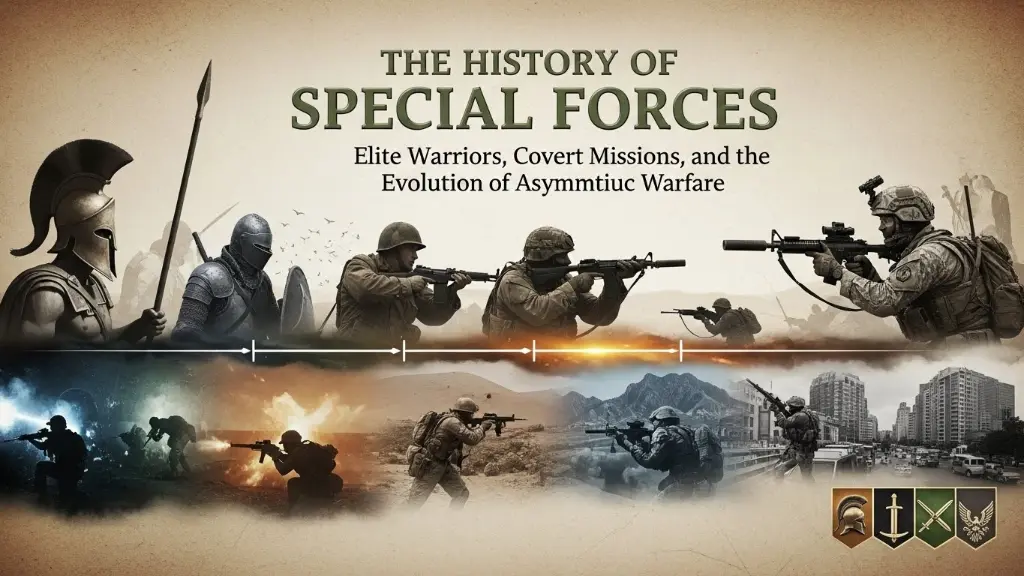
The history of Special Forces is the story of small, highly trained units capable of shaping wars far beyond their numerical strength. From ancient elite warriors to modern counterterrorism teams, Special Forces have continuously evolved to meet the demands of asymmetric and high-risk warfare.
Early Origins of Elite Military Units
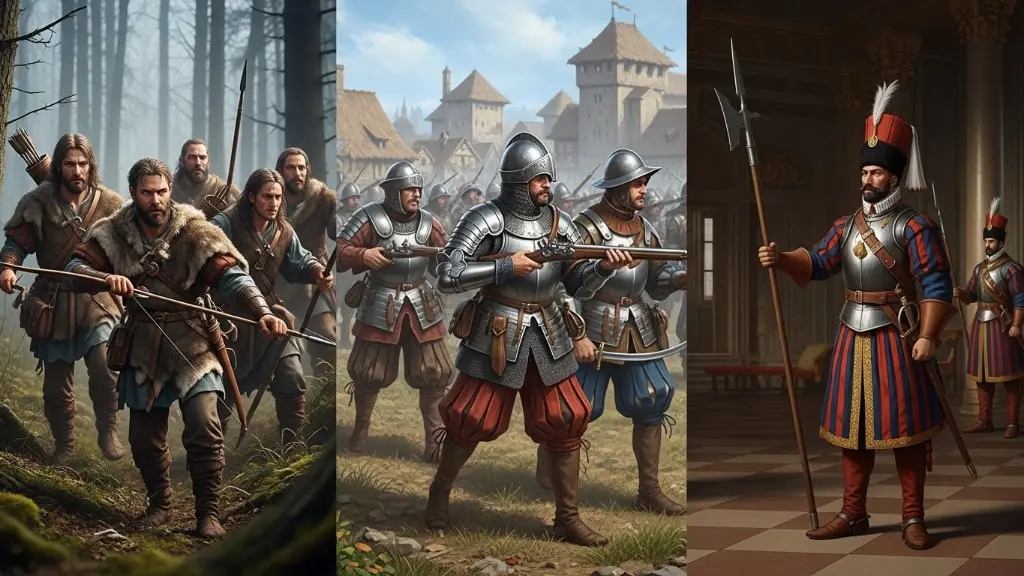
Long before the term “Special Forces” existed, civilizations relied on elite formations trained for missions conventional armies could not perform. Ancient examples include Roman reconnaissance detachments, Persian Immortals, and Macedonian Companion Cavalry, all designed for speed, shock, and decisive action.
These early units emphasized discipline, specialized training, and operational flexibility — principles that remain central to Special Forces doctrine today.
Medieval and Pre-Modern Precursors
During the medieval period, elite warriors such as the Varangian Guard, Japanese Shinobi, and Ottoman Janissaries fulfilled roles that closely resemble modern Special Forces: intelligence gathering, targeted strikes, internal security, and unconventional warfare.
Rather than massed battlefield formations, these units focused on precision, secrecy, and loyalty to command — often operating independently in hostile environments.
World War II: Birth of Modern Special Forces
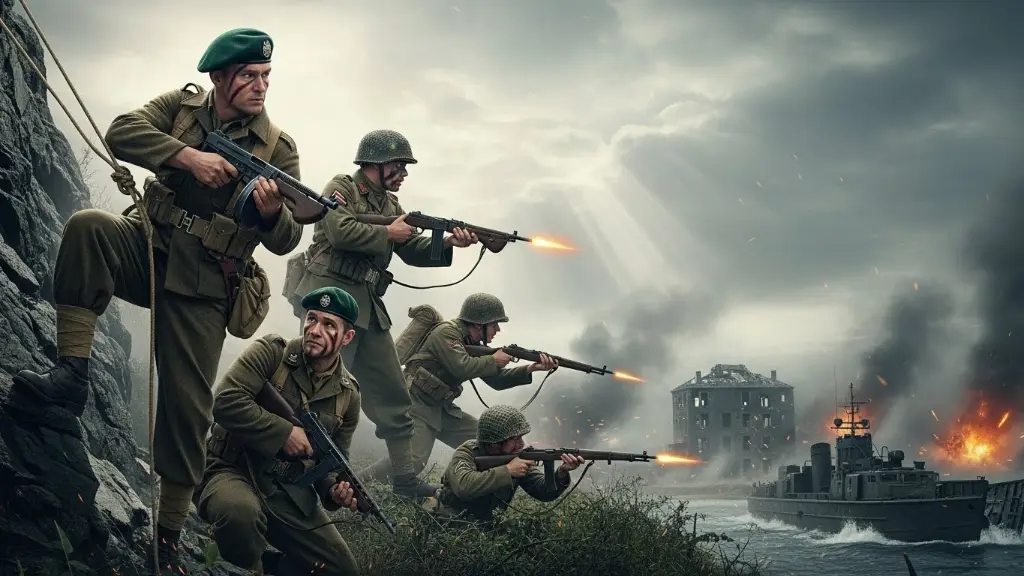
World War II marked the true birth of modern Special Forces. Units like the British Commandos, Special Air Service (SAS), and American OSS demonstrated the strategic value of small teams conducting sabotage, reconnaissance, and psychological warfare behind enemy lines.
These wartime formations proved that elite forces could disrupt enemy logistics, gather critical intelligence, and influence entire campaigns through covert operations rather than conventional battles.
The Cold War and Expansion of Special Operations
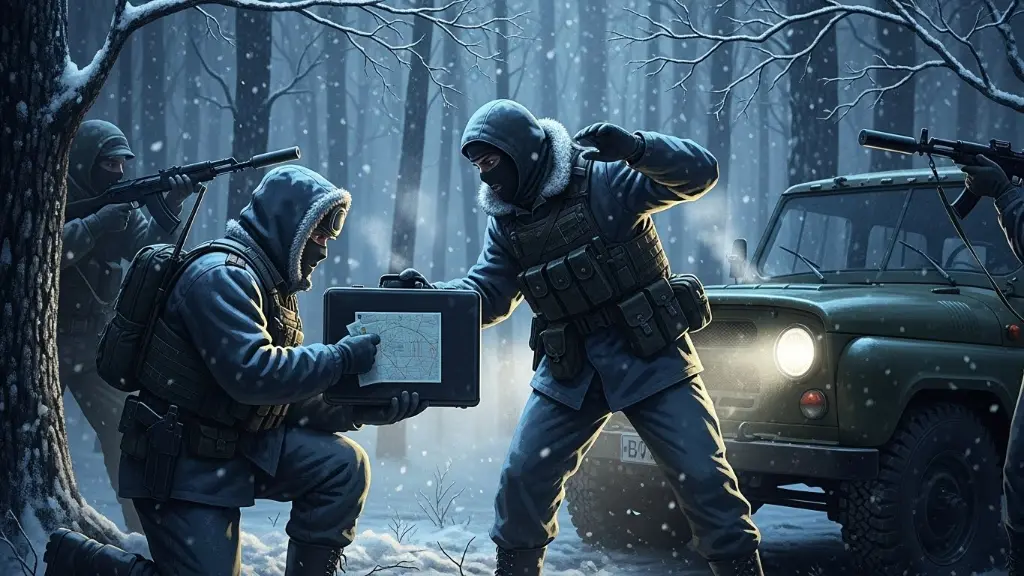
The Cold War transformed Special Forces into permanent components of national defense. Units such as Soviet Spetsnaz, US Army Special Forces (Green Berets), and Israeli Sayeret Matkal expanded capabilities into unconventional warfare, foreign internal defense, and counter-insurgency.
Operations during this era emphasized deep infiltration, long-term deployment, and political sensitivity — often operating in secrecy to avoid escalation between superpowers.
Counterterrorism and High-Risk Missions
From the 1970s onward, international terrorism reshaped Special Forces missions. High-profile hostage rescues and counterterrorism operations highlighted the need for rapid response, surgical precision, and inter-agency coordination.
Modern Special Forces became the primary tool for states facing non-traditional threats, operating in environments where speed and accuracy mattered more than overwhelming force.
Technological Evolution and Training Doctrine
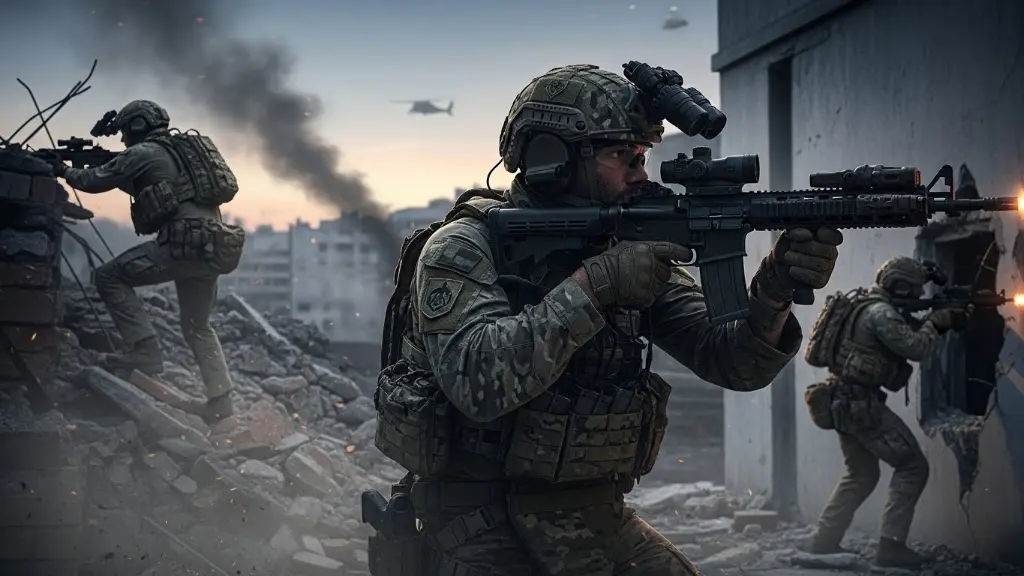
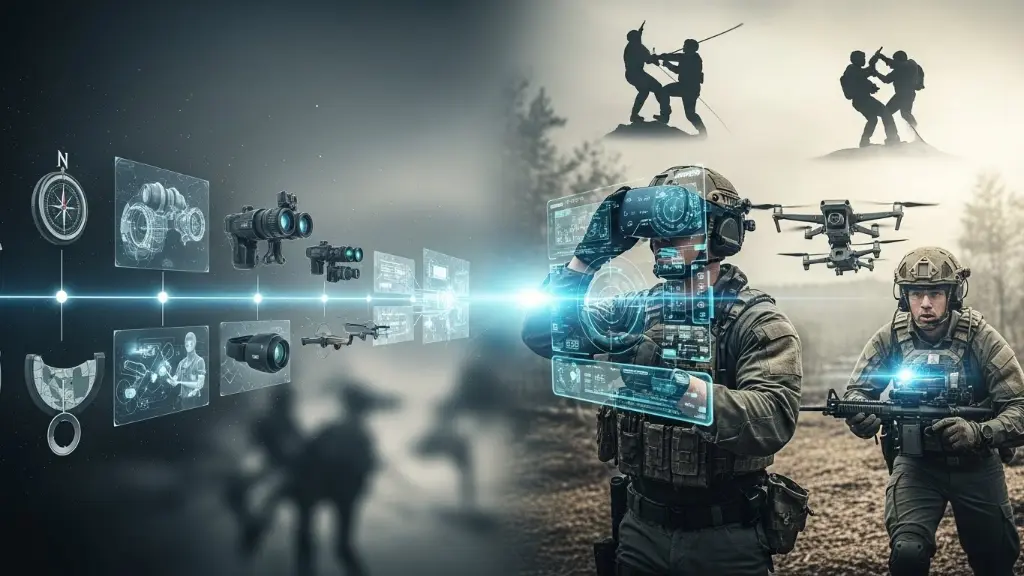
Advances in technology have profoundly influenced Special Forces operations. Night vision, satellite communications, drones, and cyber capabilities expanded operational reach while reducing detection risks.
At the same time, selection and training programs became more rigorous, focusing on mental resilience, adaptability, and independent decision-making under extreme stress.
Special Forces in the 21st Century
Today, Special Forces operate globally across land, sea, air, and cyber domains. Their missions include counterterrorism, special reconnaissance, direct action, unconventional warfare, and strategic advisory roles.
Despite technological progress, the core of Special Forces remains unchanged: small teams, elite training, and the ability to operate where conventional forces cannot.
Why Special Forces Matter in Modern Warfare
The modern battlefield is defined by hybrid warfare, insurgency, and asymmetric threats. Special Forces provide governments with a flexible, precise instrument capable of responding quickly without large-scale military deployment.
Their historical evolution demonstrates a consistent truth — elite forces, when properly trained and deployed, can alter the course of conflicts disproportionate to their size.
Related Topics and Further Exploration
This historical overview serves as the foundation for deeper analysis into specific missions, units, and doctrines. Explore related topics to understand how Special Forces continue to shape modern warfare.
Explore Special Forces Missions |
Training & Selection |
Technology & Equipment
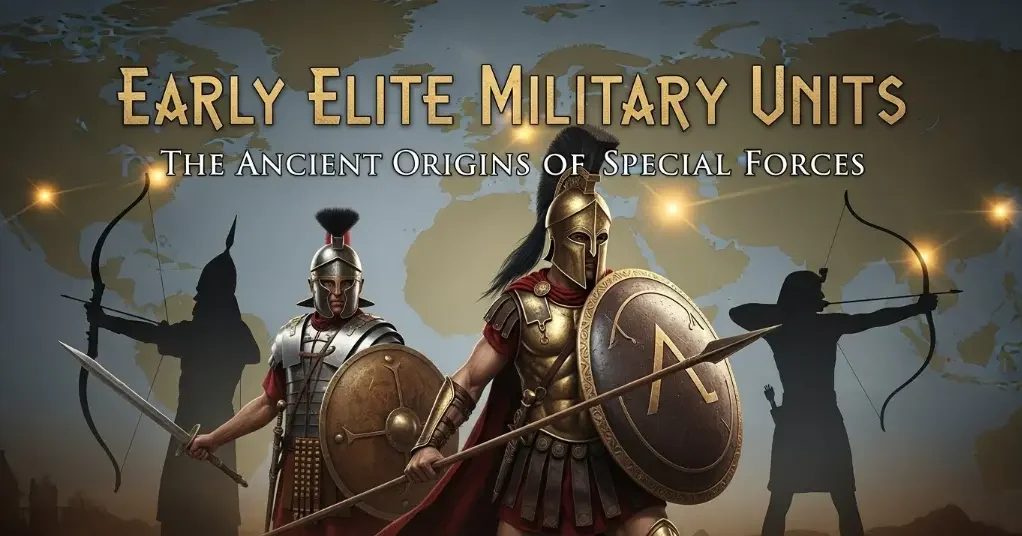
Early Elite Military Units
Discover the origins of elite military formations and their impact on history.