
Special Forces Equipment and Technology: Weapons, Gear, and Tactical Innovation
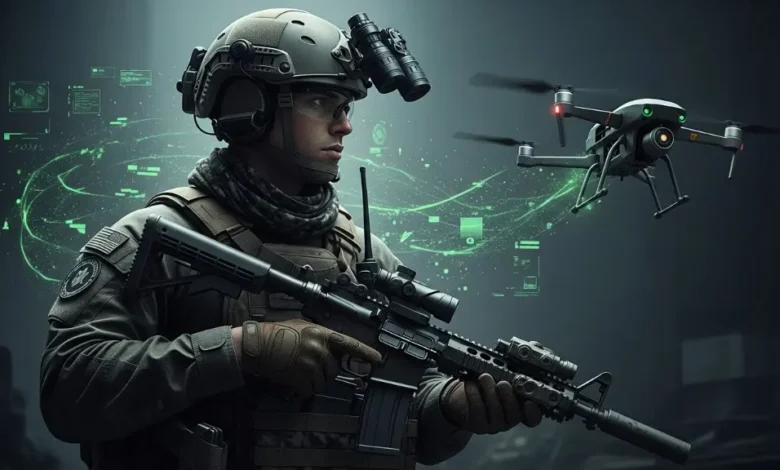
Special Forces equipment and technology play a decisive role in modern special operations. While elite training and planning remain essential, technological superiority often provides the critical edge that allows small teams to defeat larger, well-equipped adversaries.
1. Why Equipment Matters in Special Forces Operations
Unlike conventional units, Special Forces operate in small teams with limited support. Their equipment must be reliable, adaptable, and effective across multiple environments.
Gear selection directly influences mobility, survivability, and mission success.
2. Small Arms and Weapon Systems
Special Forces favor modular weapon platforms that can be adapted to mission requirements.
Common Weapons Used
- Assault rifles with suppressors
- Designated marksman rifles
- Compact submachine guns for CQB
- Precision sniper systems
Weapon choice varies based on whether the mission is Direct Action or Covert.
3. Night Vision, Optics, and Targeting Systems
Night dominance is a defining advantage of elite units.
- Night Vision Goggles (NVG)
- Thermal imaging optics
- Laser aiming devices
- Heads-up display systems
Operations like Operation Neptune Spear showcased the importance of night-fighting superiority.
4. Communications and Battlefield Connectivity
Reliable communication is critical for coordination, command, and extraction.
Key Communication Technologies
- Encrypted radios
- Satellite communications
- Real-time data sharing
- Blue Force Tracking systems
These systems allow decentralized decision-making while maintaining command oversight.
5. Drones, Surveillance, and Intelligence Technology
Unmanned systems provide real-time intelligence with minimal risk.
- Micro-drones for room and terrain reconnaissance
- Long-endurance surveillance drones
- Signals interception platforms
Drones are increasingly integrated into Special Forces mission planning.
6. Protective Gear and Mobility Equipment
Protection must be balanced with speed and endurance.
- Lightweight body armor
- Ballistic helmets
- Load-bearing systems
- Specialized footwear
Overloading operators reduces combat effectiveness.
7. Future Trends in Special Forces Technology
Emerging technologies are reshaping how elite units operate.
- Artificial intelligence for intelligence analysis
- Enhanced night vision systems
- Autonomous reconnaissance platforms
- Advanced biometric identification
Technology will continue to augment—not replace—human judgment.
Why Technology Enhances but Does Not Replace Elite Operators
Despite rapid technological advancement, Special Forces effectiveness still depends on training, leadership, and adaptability.
Equipment is a force multiplier, not a substitute for human skill.
Back to Special Forces Missions Hub

Chest Rigs and Load‑Bearing Gear: How to Build a Lightweight Tactical Setup

Chest Rig vs Plate Carrier: Which One Is Right for You

Chest Rig Setup Guide: Rifle, Pistol, and Medical Gear

Plate Carrier Setup Guide: Optimizing Your Loadout

How to Choose the Right Plate Carrier and Armor Plates
